


Hotline Order:
+91 9727278672 / +91 8238235003
Email ID:
info@shipautomationparts.com
Free Shipping apply to all orders over $299
Safe & securely shopping
20 Day Returns in case u change your mind.
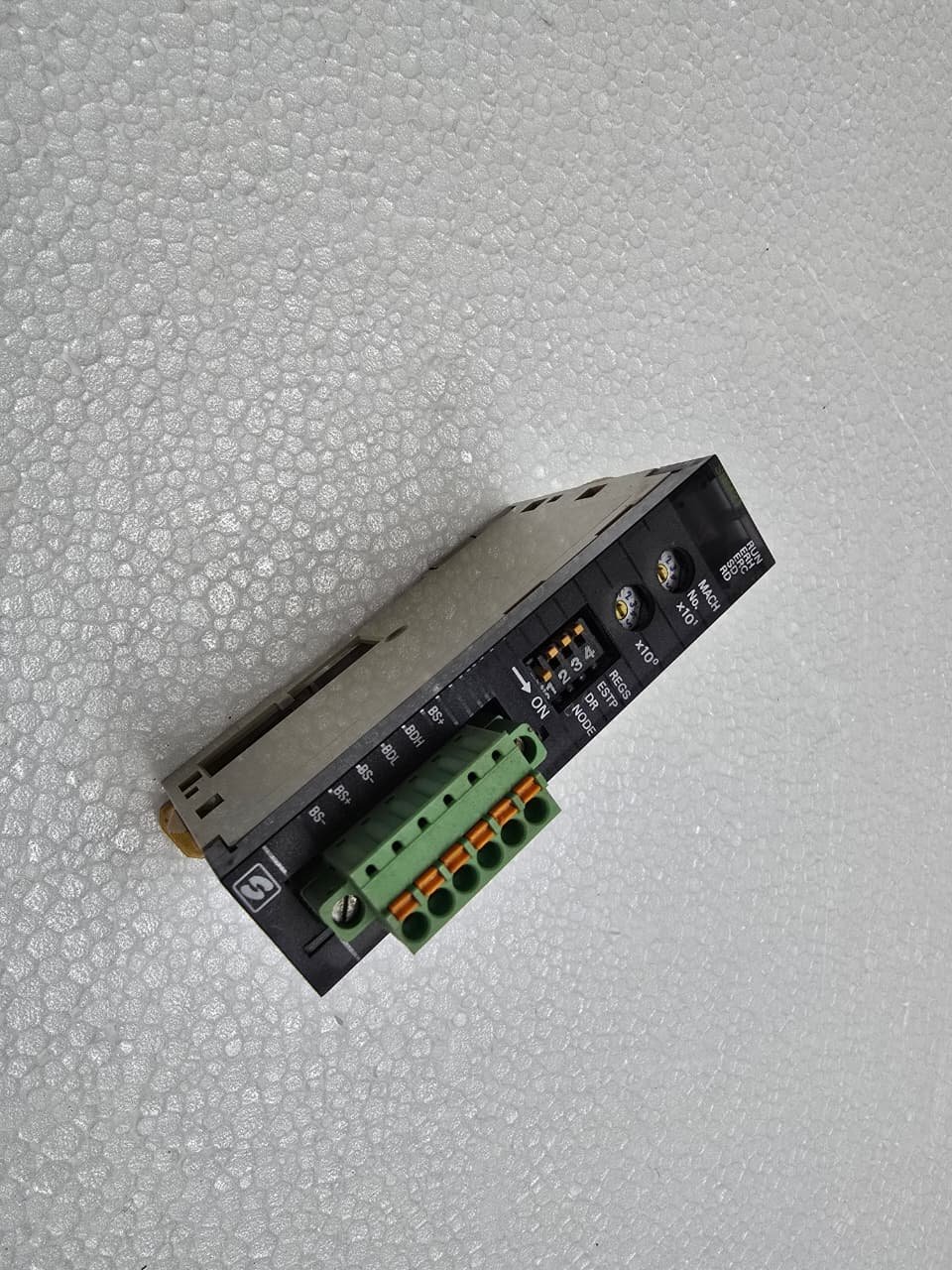
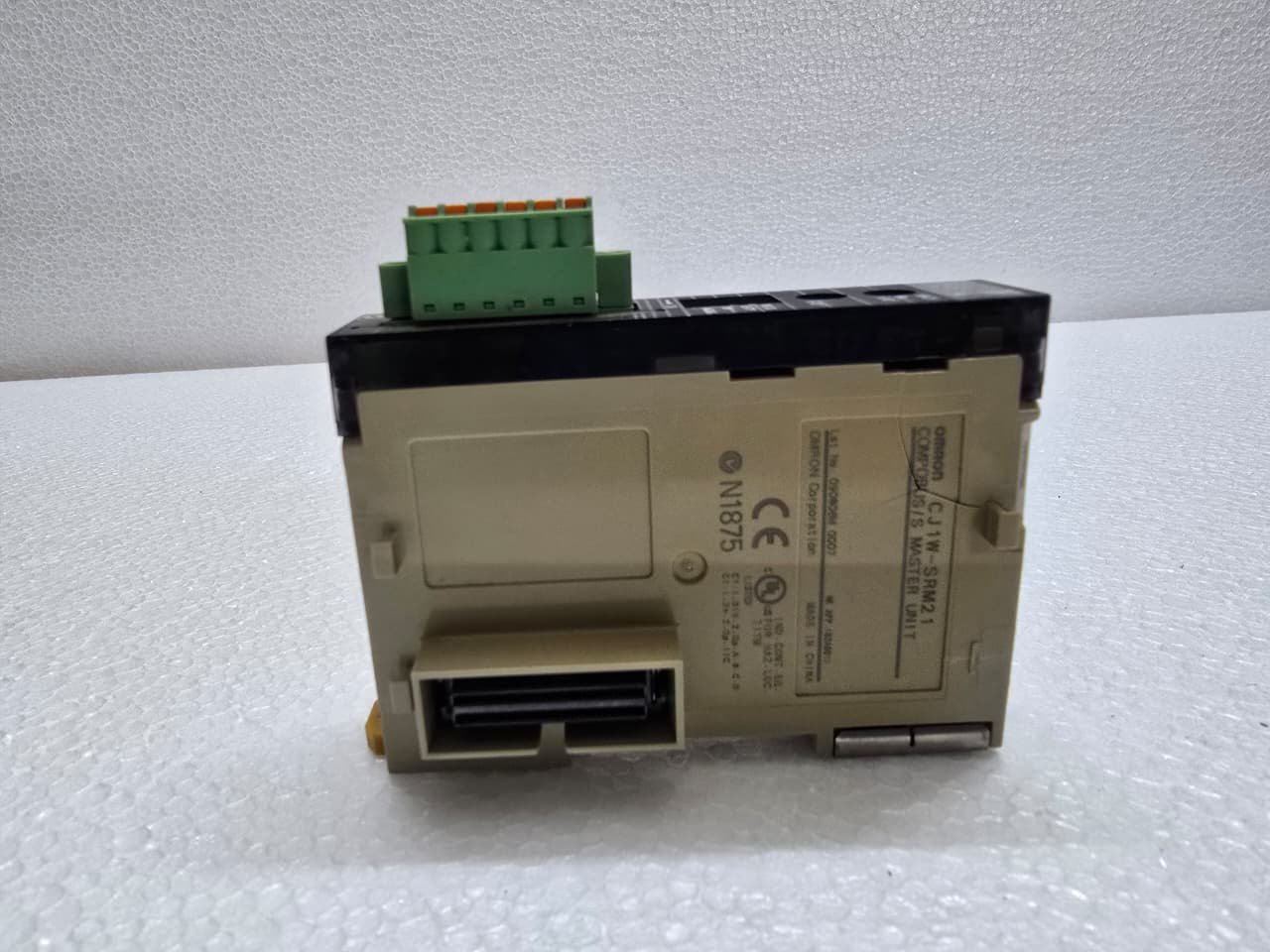
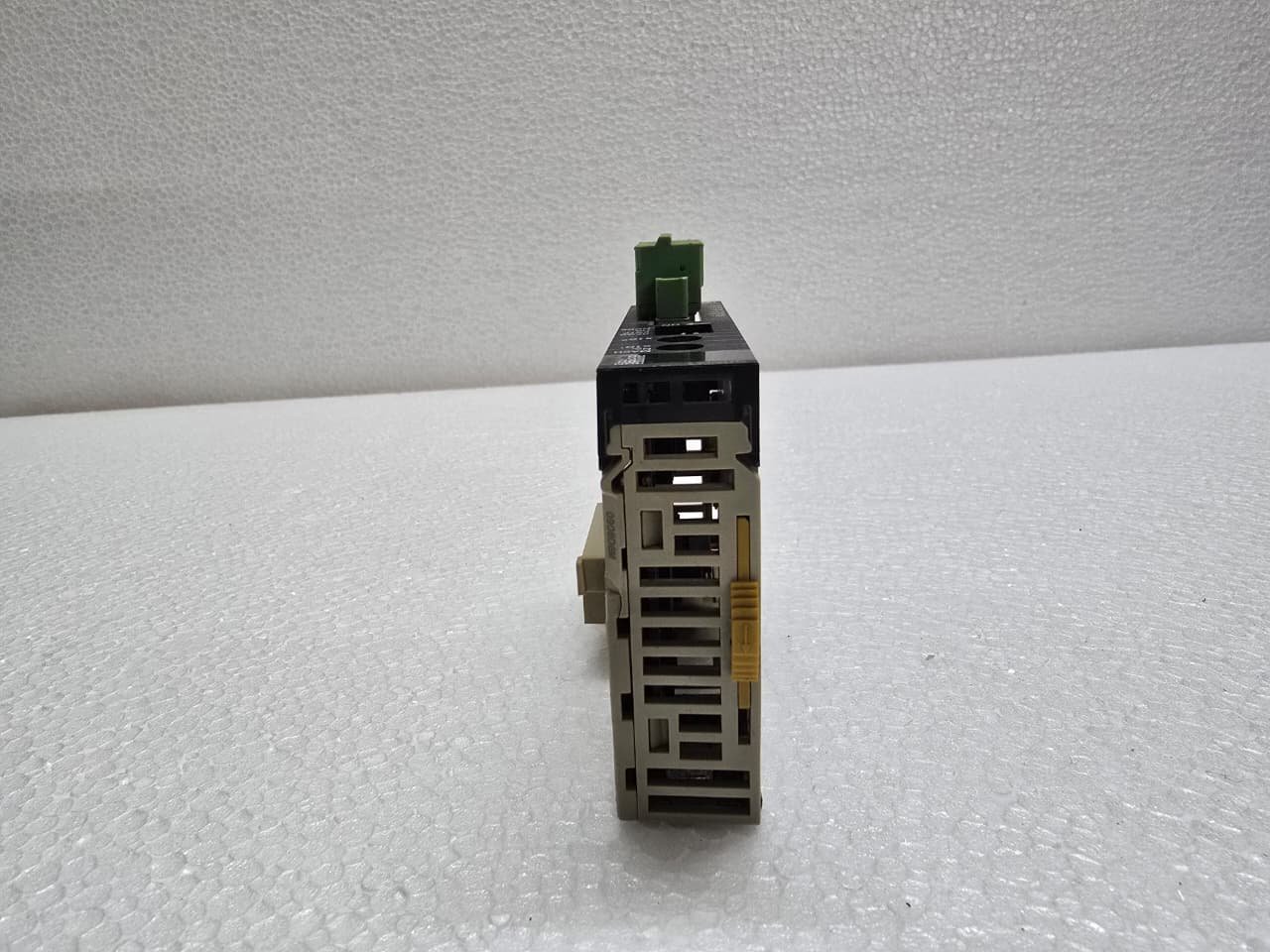
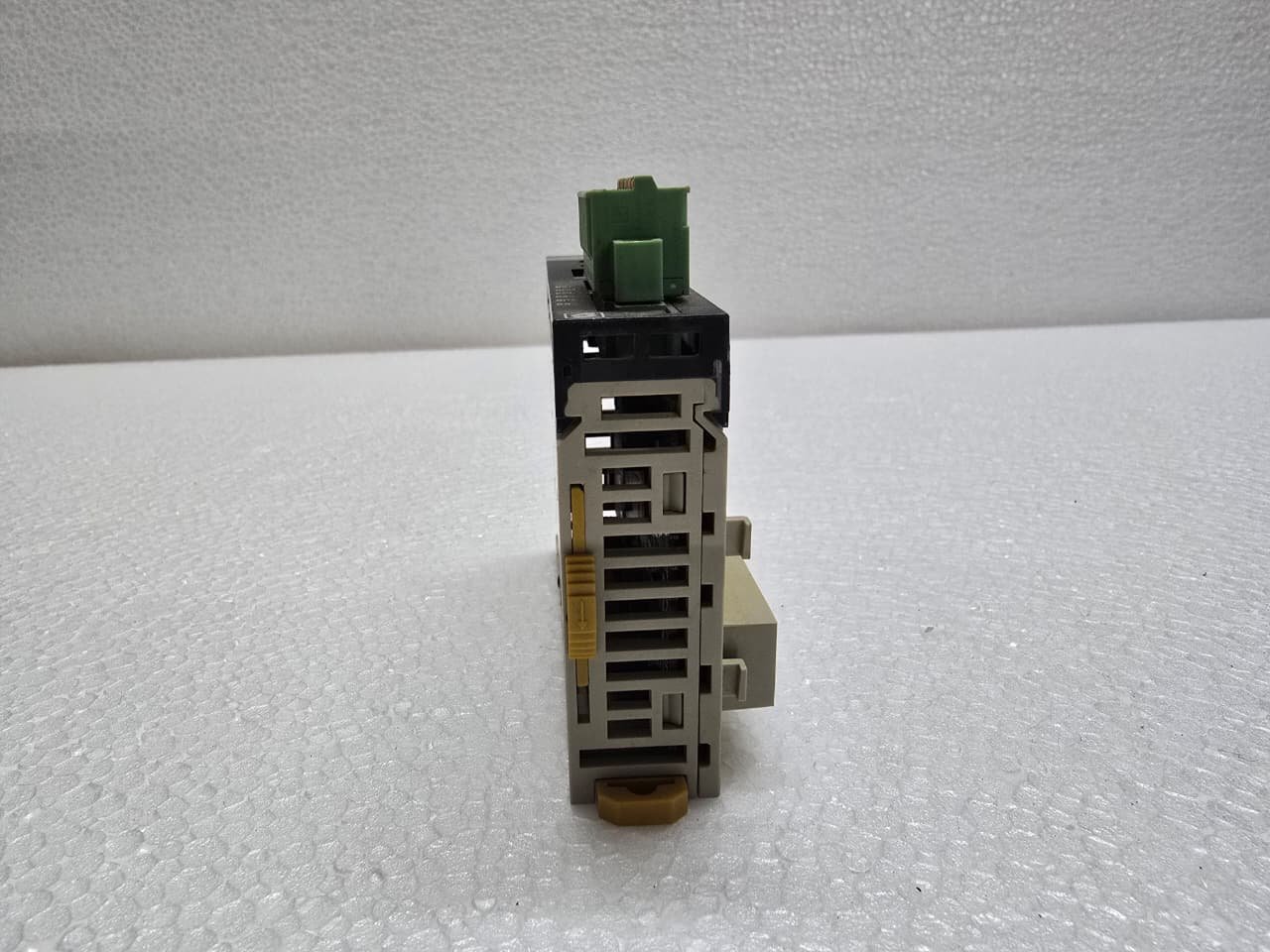
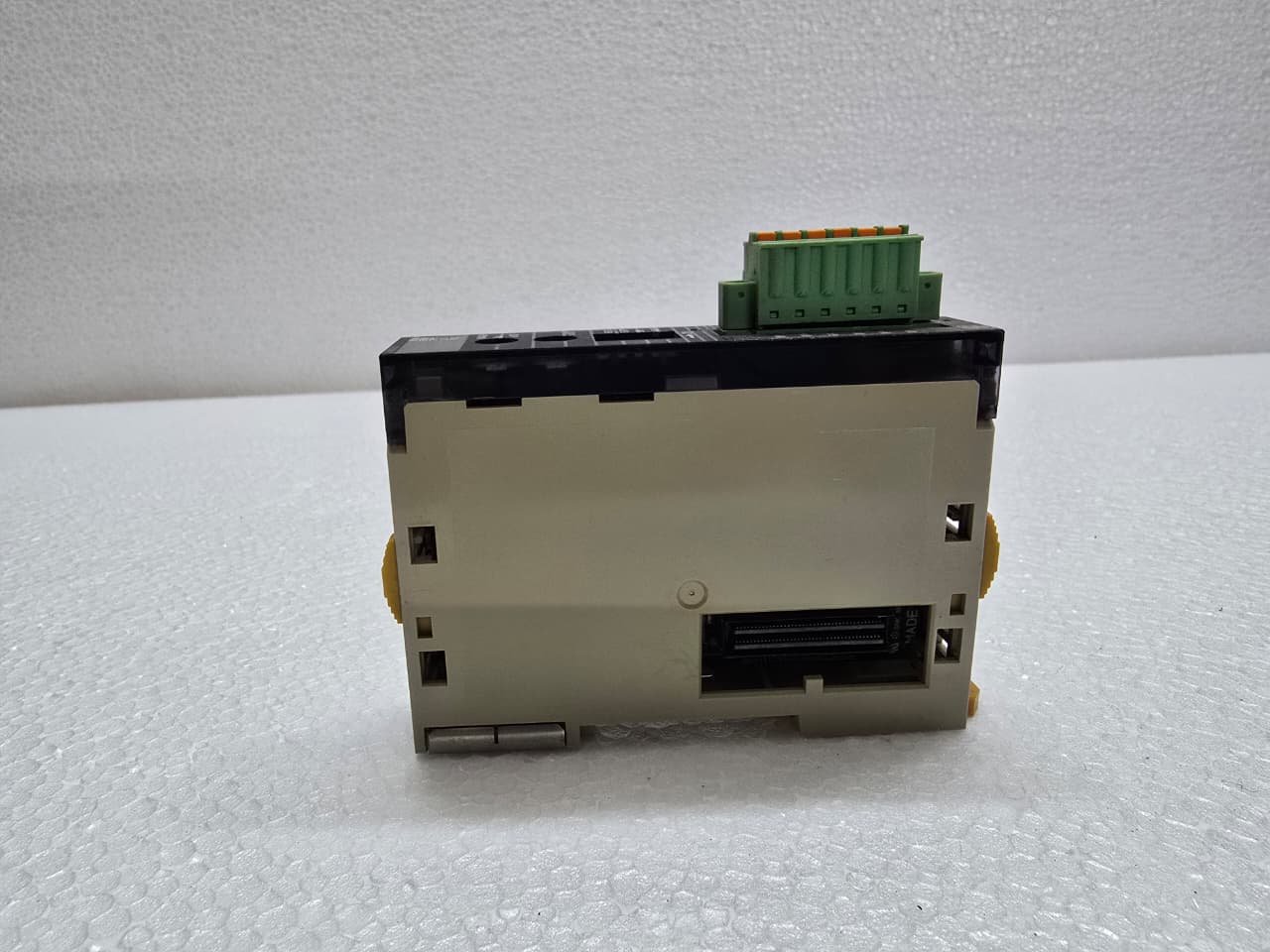
Omron CJ1W-SRM21 is a CompoBus/S Master Unit
₹21,989.00 Original price was: ₹21,989.00.₹10,039.00Current price is: ₹10,039.00.
The Omron CJ1W-SRM21 is a CompoBus/S Master Unit for the CJ1 series PLC (including CJ1G, CJ1H, and CJ1M) and the newer CJ2 series. It acts as a dedicated gateway to Omron’s CompoBus/S fieldbus—a high-speed, simplified remote I/O bus designed for efficient communication over short to medium distances.
CompoBus/S is favored for high-speed applications like packaging and small-scale assembly lines where rapid I/O updates are more critical than complex data transmission.
Share:
 Omron CJ1W-SRM21 is a CompoBus...
₹21,989.00 Original price was: ₹21,989.00.₹10,039.00Current price is: ₹10,039.00.
The Omron CJ1W-SRM21 is a CompoBus/S Master Unit for the CJ1 series PLC (including CJ1G, CJ1H, and CJ1M) and the newer CJ2 series. It acts as a dedicated gateway to Omron’s CompoBus/S fieldbus—a high-speed, simplified remote I/O bus designed for efficient communication over short to medium distances.
CompoBus/S is favored for high-speed applications like packaging and small-scale assembly lines where rapid I/O updates are more critical than complex data transmission.
1. Key Technical Specifications
The SRM21 defines how many remote points your PLC can “see” on a single bus.
| Feature | Details |
| I/O Points | Up to 256 points (128 inputs / 128 outputs) |
| Max Number of Slaves | 32 Slave stations |
| Communication Speed | High-speed mode (750 kbps) or Long-distance mode (93.75 kbps) |
| Bus Length | 100m (High-speed) to 500m (Long-distance) |
| Unit Type | Special I/O Unit (Occupies 1 slot on CJ-series rack) |
2. Physical Setup & Addressing
Before the unit will work, you must set the physical switches on the front of the module:
-
Unit Number Switch: A rotary dial (0–95) that determines the memory location in the PLC’s Special I/O Unit Area.
-
DIP Switches: These control the communication settings:
-
SW1 (Speed): High-speed vs. Long-distance mode.
-
SW2 (I/O Capacity): Determines if the unit handles 128, 64, or 32 points (shorter counts result in faster refresh cycles).
-
SW3/4: Settings for “Communications Error” behavior (Clear vs. Hold outputs).
-
3. Wiring the Bus
CompoBus/S uses a simple 4-wire setup: two wires for data (BD H and BD L) and two wires for the 24V DC power supply that powers the bus interface of the slave units.
-
Topology: Supports “Bus” (daisy-chain), “Star,” or “Branch” configurations, though a main trunk with short branches is most common.
-
Termination: A terminating resistor (typically 121 ohms) is required at the furthest end of the bus in high-speed mode to prevent signal reflection.
4. Memory Mapping in CX-Programmer
The SRM21 does not require complex “Message” instructions (SEND/RECV). Instead, it uses Direct I/O Mapping:
-
The PLC automatically reserves a block of memory in the CIO Area based on the Unit Number you set.
-
For example, if the Unit Number is 0, the Inputs from Slaves might start at
CIO 2000and Outputs atCIO 2001. -
Data is updated every PLC scan, making the remote I/O feel as fast as local rack I/O.


Reviews
There are no reviews yet.